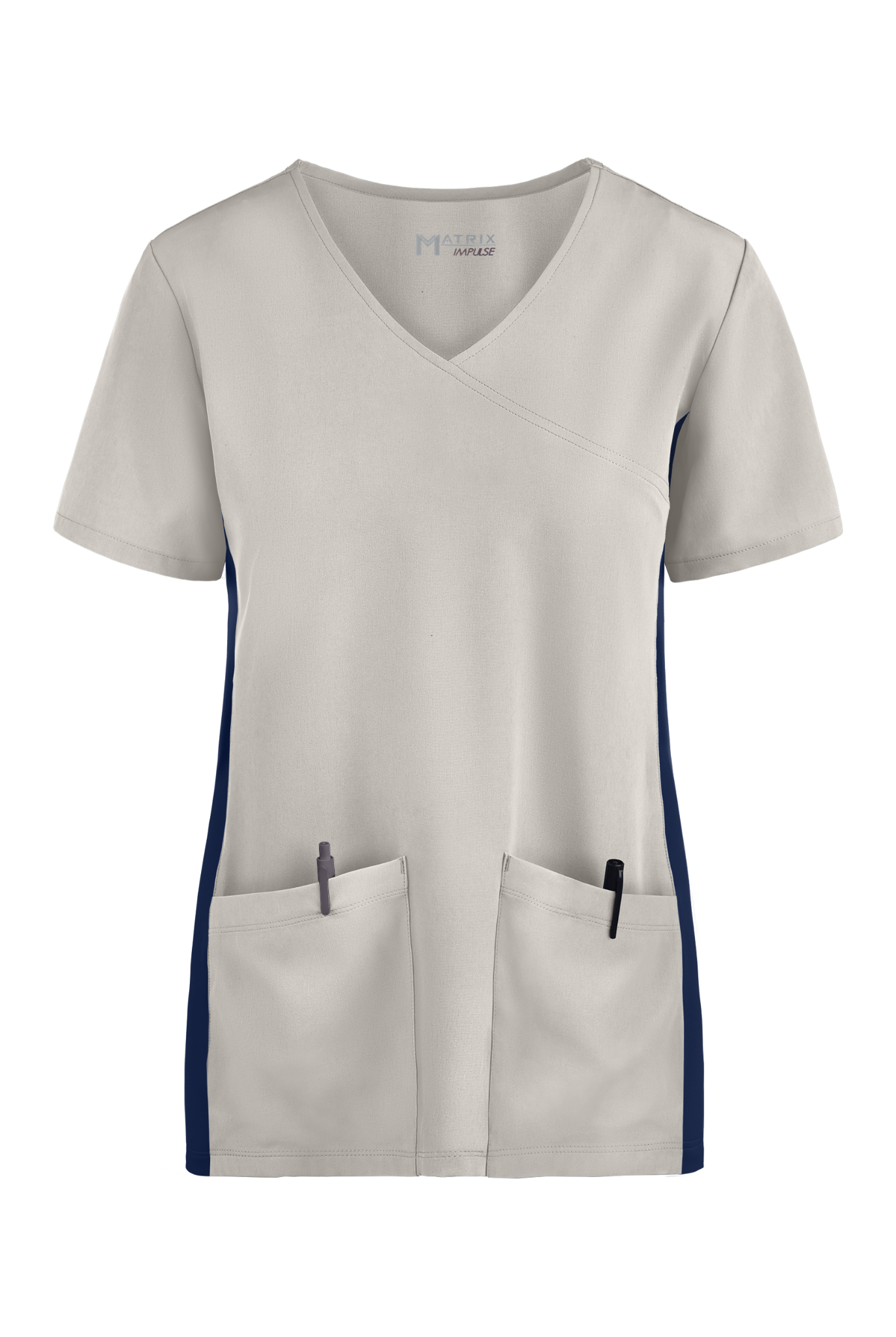
You’ve invested in quality Focus by Maevn scrubs for your healthcare work, and the last thing you want is watching them shrink after a few wash cycles in the hospital laundry.
Medical professionals across the country face this frustrating problem daily, especially when dealing with industrial washing machines that run hotter and more aggressively than home units.
What Makes Hospital Laundry Different?
Hospital laundry systems operate under strict sanitization requirements that can be tough on your scrubs.
These industrial machines typically run at temperatures between 160-180°F compared to home washers that max out around 140°F.
The combination of high heat, strong detergents, and extended wash cycles creates perfect conditions for fabric shrinkage.
Most healthcare facilities use commercial-grade detergents with enzymes and bleach alternatives that break down organic matter effectively but can also break down fabric fibers over time.
Your scrubs face this harsh environment every single shift.
How Much Do Scrubs Actually Shrink?
Research from textile manufacturers shows that cotton-blend medical uniforms can shrink anywhere from 3-8% in length and width during their first five wash cycles.
For a medium-sized scrub top, that translates to roughly half an inch in both directions.
| Fabric Type | Average Shrinkage | First Wash | After 5 Washes |
| 100% Cotton | 5-8% | 3-4% | 2-4% additional |
| Cotton/Poly Blend | 3-5% | 2-3% | 1-2% additional |
| Performance Blends | 1-3% | 1% | 1-2% additional |
The shrinkage happens because heat causes cotton fibers to contract and lose their stretched state from manufacturing. Once this happens, you can’t reverse it.
Can You Control Hospital Laundry Settings?
Most healthcare workers don’t have control over their facility’s laundry settings, but you can take some protective steps. Many hospitals offer delicate cycle options or separate processing for personal items when requested in advance.
Talk to your laundry supervisor about these options:
- Lower temperature cycles (140°F instead of 180°F)
- Shorter wash times for lightly soiled items
- Gentler spin cycles to reduce mechanical stress
Some facilities allow staff to bag their scrubs separately with care instruction tags. You’ll need to check your workplace policies, but it’s worth asking.
What Pre-Treatment Steps Actually Work?
Before sending your scrubs to the hospital laundry, you can take several protective measures that significantly reduce shrinkage risk.
Pre-shrinking at home works best for new scrubs. Wash them once in cool water (90-100°F) with mild detergent, then air dry or use low heat. This controlled shrinkage process lets you manage the inevitable contraction on your terms.
Fabric softener application before hospital washing can help protect fibers from harsh detergents. Apply a small amount to problem areas like sleeve cuffs and waistbands where shrinkage is most noticeable.
Which Fabric Treatments Help Most?
Modern scrub manufacturers use various treatments to minimize shrinkage, but understanding these can help you make better choices and care decisions.
Pre-shrunk fabrics undergo controlled shrinking during manufacturing, reducing future shrinkage to 1-2%. Look for scrubs labeled “pre-shrunk” or “wash-tested” when purchasing.
Moisture-wicking treatments often include synthetic fibers that resist shrinking better than pure cotton. These blends typically contain 65-70% polyester with cotton, creating more dimensional stability.
Wrinkle-resistant finishes also help maintain fabric integrity through multiple wash cycles, though they may reduce breathability slightly.

How Do You Size for Inevitable Shrinkage?
Smart healthcare professionals buy scrubs with shrinkage in mind. Size up by one increment if you’re between sizes, especially for length-critical items like pants.
Pay attention to fit zones that matter most for your job function. Scrub tops need adequate shoulder and chest room after shrinkage, while pants require proper length to meet safety requirements.
Measure twice, order once applies here. Check your current well-fitting scrubs and compare measurements to size charts, then factor in 3-5% shrinkage for cotton blends.
What Happens When Prevention Fails?
Even with careful handling, some shrinkage will occur over time. When your Focus by Maevn scrubs start feeling tight, you have limited options for reversal.
Steam stretching can temporarily restore some length, but results rarely last through the next wash cycle. Professional alteration services can sometimes add fabric panels, but costs often exceed replacement value.
Strategic replacement works better than fighting inevitable shrinkage. Plan to replace frequently-washed scrubs every 12-18 months, rotating newer and older pieces to extend overall wardrobe life.
The key is accepting that hospital laundry conditions will cause some shrinkage regardless of prevention efforts.
Focus on minimizing the damage and planning accordingly, rather than expecting perfect preservation of your focus by maevn scrubs through months of industrial washing.