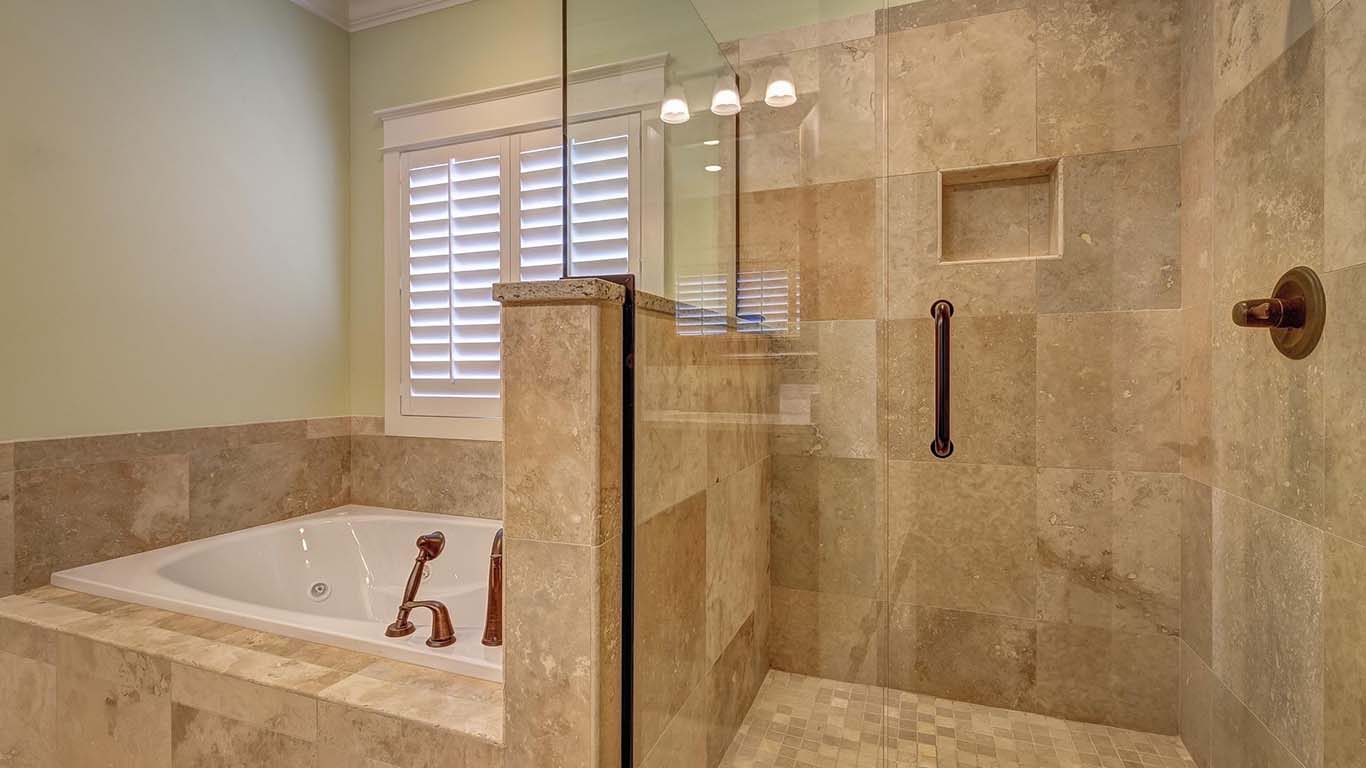
Bathroom walls systems determine the durability, hygiene, and long term maintenance anticipations of residential and commercial buildings. Traditional tiles have been substituted by the use of wall panels in most of the projects because of the performance advantages.
Systems that reduce the number of issues associated with grouts are becoming more popular among property owners who opt to use shower and tub wall panels like American standard walk in tubs that solve moisture issues and provide uniform finishes.
These systems promote optimality in renovation without affecting the functional integrity. Effective knowledge will mean that choices will be made in accordance with the structural demands and intensity of use.
Composition Of Materials Matter
Material used defines performance, longevity and fitment to particular bathroom conditions. Universally used panel materials are: PVC, acrylic, fiberglass and composite laminates. Both alternatives respond differently to exposure to moisture and temperature change.
Dense materials do not warp or crack because of constant moisture. Light panels decrease the weight on the walls of the structure during installation. In hospitality or healthcare sanitation operations, chemical resistance is very critical.
In regulated buildings, fire ratings can have an impact on approval. Effects resistance is important in family bathhouse that is used frequently. Knowledge of material composition helps to avoid early breakdown and wear on its surface.
Installation Requirement And Limitations
The mode of fixing is quite different based on the type of panels and the condition of the wall. Other systems are fitted directly on the existing tiles or drywall. Others need backer boards that are moisture resistant to comply with their warranty.
Seam alignment has an impact on water penetration risks and aesthetic result. Adhesives influences long-term stability in bonding. Lack of proper preparation of substrates leads to panel delamination with time.
The liability is minimized through professional installation as well as adherence to manufacturer specifications. Portability Customizability is based on panel weight and accuracy of cut. Planning installation eliminates the expensive corrections following occupancy.
Waterproofing Performance
Good moisture control prevents wall cavities and framing in a structure to fall apart. Seam sealing is a key technology that helps in avoiding water permeation. Walk in bathtub installation near me usually have interlocked edges or closed joints.
Non-porous surfaces remove the chances of absorption as was the case with grout lines. Continuous panels lead to less area of molds behind the walls. The compatibility of a vapor barrier enhances the performance of a bathroom envelope.
Finishes on surface should not be eroded after being repeatedly cleaned. Moisture control is reliable; it promotes the healthier indoor air quality and compliance needs.
Standards Of Maintenance And Cleaning
The maintenance needs impact on the cost of operation and satisfaction of the user in the long run. Flat panel surfaces do not harbor soaps scrumming and mineral deposits. Cleaning is normally done using non-abrasive solutions and routine wiping.
Maintenance work is made a lot less difficult with designs that are not grouted. Stain resistance is used to maintain the appearance even when there is a lot of exposure to water.
In case materials are not resilient, scratches will impact hygiene and visual uniformity. Purchasing decisions in most property sectors are usually influenced by long-term care simplicity.
Flexibility Of Design And Aesthetic
Visual consistency facilitates the harmonization of design of several fixtures in a bathroom. Wall panels are monochrome in tone and texture without being interrupted by grout.
Simulations of stone, tile, and modern patterns are given by manufacturers. Thickness choices assist in matching the edges to the tubs or shower trays. The trim systems cover joints and have clean transitions.
Custom sizing allows nonstandard layouts and retrofit. The neutral finishes retain resale among the different user tastes. Aesthetic flexibility is in relation to functional performance in professional design planning.
Conclusion
The choice of the bathroom wall systems must be based on the performance, practicality of installation and taking into consideration the long term maintenance factors.
Structural risks and operational burdens are minimized in the long term by informed decisions. The properties of materials must be appropriate with intensity of usage and exposure to the environment.
The quality of installations has a direct relation with the durability and warranty coverage. The moisture control is also imperative to occupant safety and building maintenance.