

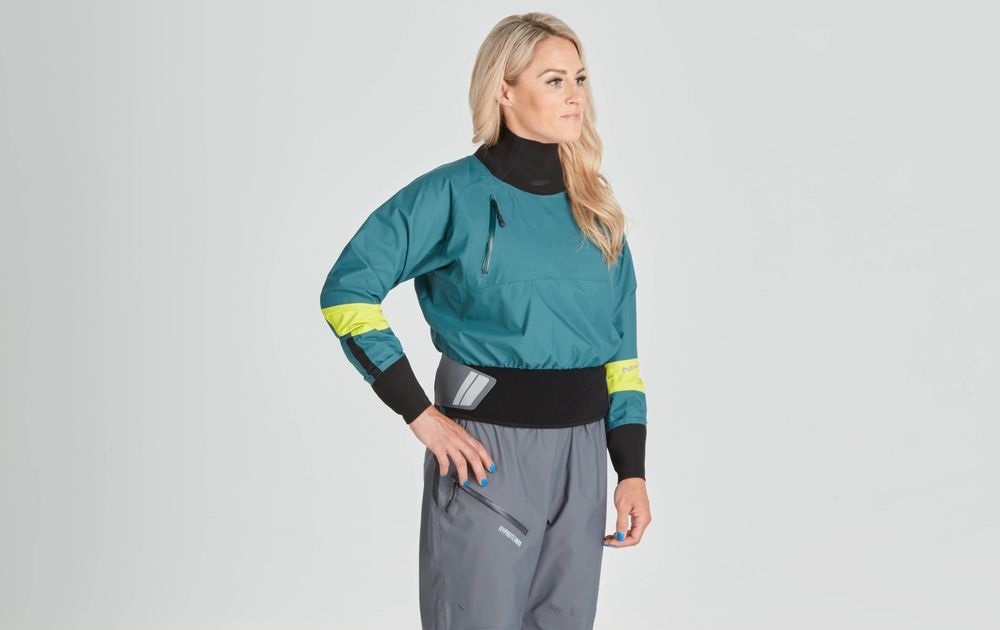
When you’re out on cold water, your paddling jacket women’s gear becomes your first line of defense against hypothermia.
But here’s what most paddlers get wrong: they think the jacket does all the work. The truth is, what you wear underneath matters just as much as the jacket itself.
Water temperature changes everything about how you should layer, and getting it wrong can turn a fun paddle into a dangerous situation.
What Happens to Your Body in Cold Water?
Cold water doesn’t care how tough you think you are. When water temperature drops below 60°F (15°C), your body starts losing heat 25 times faster than in air of the same temperature. This isn’t just uncomfortable—it’s life-threatening.
Here’s what happens when you hit cold water:
Immediate response (0-3 minutes): Your body goes into cold shock. Your heart rate spikes, you gasp involuntarily, and your breathing becomes rapid. This is when most drownings actually happen, not from hypothermia itself.
Short-term exposure (3-30 minutes): Your muscles stop working properly. Your hands lose dexterity, making it nearly impossible to grab rescue equipment or right your kayak.
Long-term exposure (30+ minutes): Core temperature drops. Hypothermia sets in. You become confused, your speech slurs, and eventually, you lose consciousness.
A study from the University of Portsmouth found that survival time in 50°F water without proper protection is only 1-2 hours. With the right layering system under your jacket? You can extend that significantly.
The Three-Season Framework You Need to Know
Cold water paddling isn’t one-size-fits-all. You need different approaches for different conditions. Here’s how to think about it:
Season 1: Transitional Cold (50-60°F / 10-15°C)
This is spring and fall water in most regions. You’ll feel the chill immediately if you capsize, but you have time to self-rescue. Under your paddling jacket, you want:
- Synthetic or merino wool base layer (never cotton—it holds water and sucks heat from your body)
- Lightweight fleece mid-layer for core warmth
- Optional: thin neoprene vest if you run cold
The goal here is moisture management. You’re probably working hard enough to sweat, but cold enough that wet skin becomes dangerous fast.
Season 2: True Cold (40-50°F / 4-10°C)
This is where your layering strategy gets serious. At these temperatures, you have roughly 10-15 minutes of useful muscle function after immersion. You need:
- Thicker base layer (200-weight merino or synthetic)
- Full neoprene or fleece mid-layer
- Consider a thin wetsuit or drysuit instead if you’re a beginner
One thing to remember: more layers doesn’t always mean better. Bulky clothing restricts movement, which can actually prevent you from executing a proper rescue. You want insulation that’s efficient, not excessive.
Season 3: Extreme Cold (Below 40°F / 4°C)
This is winter paddling territory. Honestly? Your regular paddling jacket probably isn’t enough anymore. You’re looking at:
- Full wetsuit (3-5mm) under your jacket, or
- Switch to a drysuit with appropriate thermal layers
At these temperatures, immersion means you have 5-10 minutes maximum before you lose muscle control. Your layering system needs to assume you’re going in the water.
How Water Temperature Trumps Air Temperature?
Here’s where paddlers mess up constantly: they dress for the air temperature, not the water.
You can paddle in 70°F sunny weather, but if the water is 45°F, you’re one capsize away from serious trouble.
The “120-degree rule” is a quick safety check: add air and water temperature together. If it’s less than 120°F, you need cold water protection. For example:
| Air Temp | Water Temp | Total | Risk Level |
| 65°F | 48°F | 113°F | High risk – full protection needed |
| 55°F | 68°F | 123°F | Moderate – base cold water gear |
| 75°F | 52°F | 127°F | Moderate – don’t be fooled by warm air |
This simple math has saved lives. Use it every time you go out.
What About Insulation Materials?
Not all fabrics work the same when wet. Here’s what you need to know:
Merino wool holds about 30% of its insulating ability when soaked. It’s naturally antimicrobial, so it won’t smell awful after multiple paddles. The downside? It’s expensive and takes forever to dry.
Synthetic fabrics (polyester, polypropylene) retain 50-70% of their warmth when wet. They dry faster than wool and cost less. But they can get stinky quickly.
Neoprene is the gold standard for cold water. It works by trapping a thin layer of water against your skin, which your body heats up. A 3mm neoprene layer under your paddling jacket provides significant protection in the 40-50°F range.
Cotton? Never. Not even once. Cotton absorbs water, stays wet, and actively pulls heat from your body. In cold water rescue circles, there’s a saying: “Cotton kills.” They’re not exaggerating.
Can You Layer Too Much?
Yes, absolutely. I’ve seen paddlers wear so many layers they couldn’t lift their paddle properly. Here’s the balance you’re looking for:
You should be slightly cold when you start paddling. After 10-15 minutes of activity, you’ll warm up naturally. If you’re comfortable standing on shore, you’ll be sweating within twenty minutes on the water.
Too much insulation also means too much bulk. If you capsize, excess clothing makes swimming harder and holds water weight.
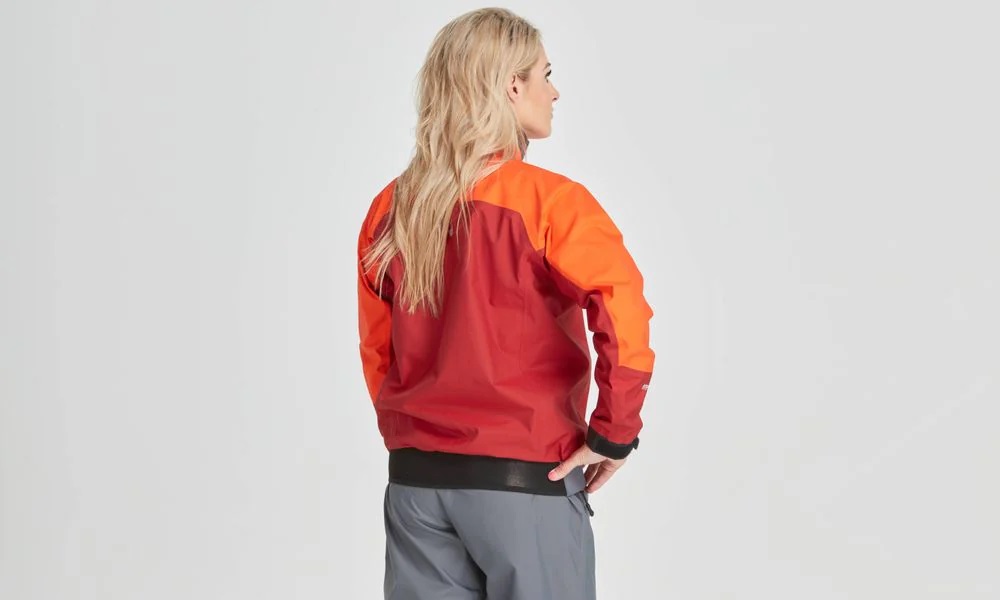
Some experienced cold water paddlers actually wear less under a good paddling jacket women’s shell than beginners expect—they just choose the right materials.
Your Safety Checklist for Cold Water Layering
Before you head out, run through this:
- Base layer: synthetic or wool, no cotton
- Mid-layer: appropriate for water temperature (not air)
- Mobility test: can you reach, twist, and roll comfortably?
- Backup plan: do you have dry clothes in a waterproof bag?
- Communication: does someone know your route and return time?
The right layering system under your paddling jacket can mean the difference between a memorable adventure and a rescue situation.
Water temperature dictates everything—not the weather, not how you feel on shore. Respect the cold, layer smart, and you’ll paddle safely through three seasons of the year.
Frequently Asked Questions
Is a women’s paddling jacket enough protection on its own in cold water?
Answer: No. The jacket is only part of the system. What you wear underneath—base and mid-layers chosen for water temperature—plays an equally critical role in preventing hypothermia.
Should I dress for air temperature or water temperature when paddling?
Answer: Always dress for water temperature. Cold water pulls heat from your body far faster than air, and warm weather can be misleading if the water is cold.
What’s the best layering setup under a paddling jacket for 40–50°F water?
Answer: Use a thicker synthetic or merino base layer combined with neoprene or fleece insulation. Bulky layers should be avoided to maintain mobility for self-rescue.
Why is cotton dangerous to wear under a paddling jacket?
Answer: Cotton absorbs water, stays wet, and actively removes heat from your body. In cold water conditions, this greatly increases the risk of hypothermia.
Can wearing too many layers under a paddling jacket be risky?
Answer: Yes. Excess layers restrict movement, increase water weight if you capsize, and can make swimming or rescue difficult. Efficient insulation is safer than bulky clothing.

