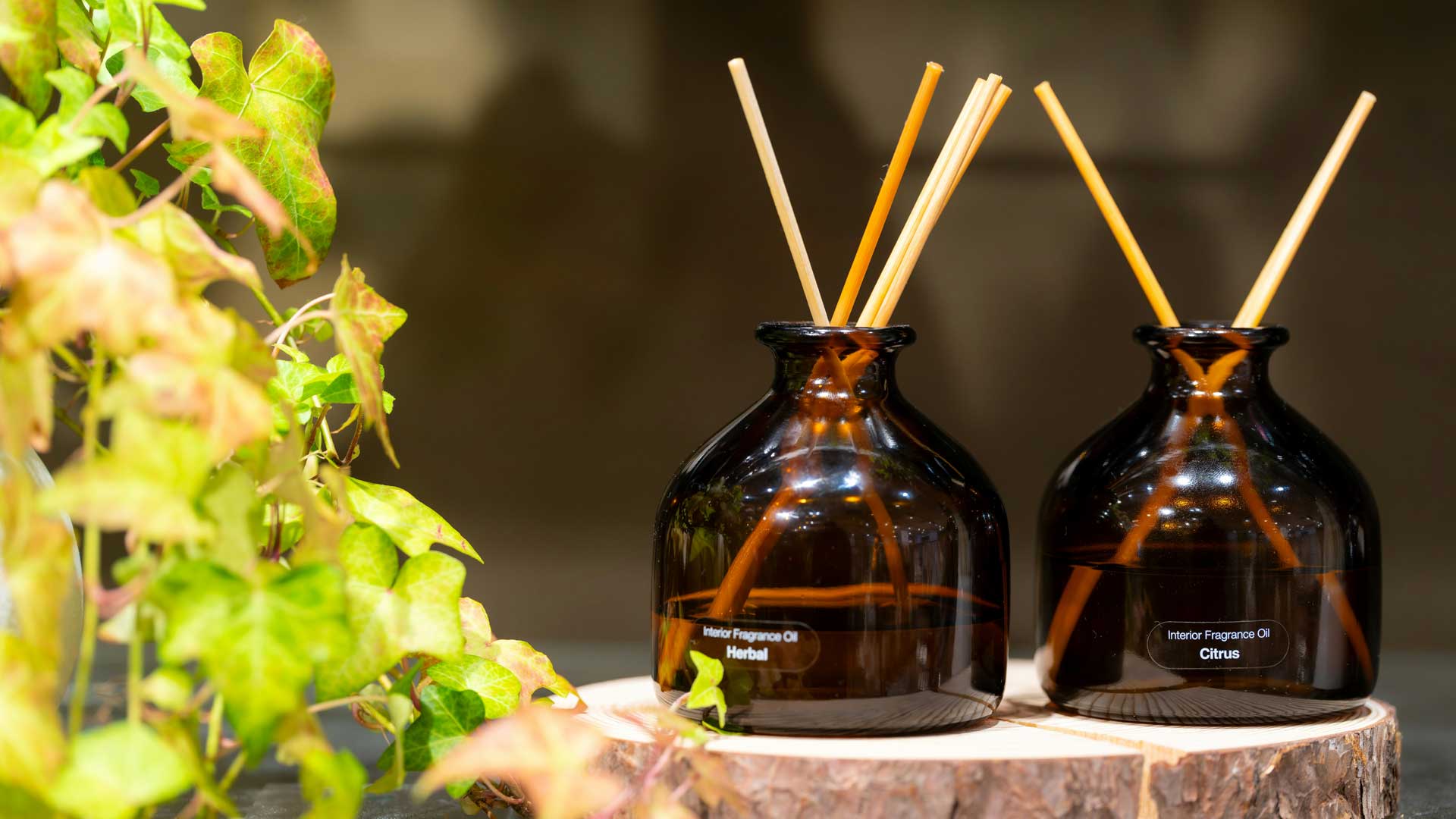
The office environment plays an important role in employee comfort, productivity, and the overall impression visitors receive when they enter a workplace. Businesses often focus on furniture, lighting, temperature, cleanliness, and interior design when creating a professional setting. However, the way an office smells can also influence how the space is perceived.
Unpleasant odors from food, waste, cleaning products, crowded areas, or poor ventilation can make an otherwise well-maintained workplace feel less comfortable. On the other hand, a subtle and pleasant fragrance can complement the atmosphere and create a more welcoming environment for employees, clients, and visitors.
When considering an aroma diffuser for office use, businesses need to look beyond the appearance of the equipment. Office spaces vary considerably in size, layout, ventilation, occupancy, and operating hours. Choosing appropriate equipment and fragrance requires an understanding of these factors.
Why Offices Consider Fragrance Diffusion
An office is a shared environment where employees may spend several hours each day. Because of this, fragrance needs to be approached differently than it might be in a retail store or hotel lobby.
A scenting system can be used to support the overall atmosphere of areas such as:
- Reception desks
- Waiting rooms
- Conference rooms
- Employee lounges
- Corridors
- Common areas
- Restrooms
- Large open-plan workspaces
The objective should be to create a subtle background fragrance rather than an intense scent that becomes distracting.
Office Fragrance Starts With Cleanliness
Fragrance should never be used to conceal an underlying cleanliness problem.
Offices can develop unpleasant odors from food, overflowing trash bins, damp areas, plumbing issues, carpets, or poorly ventilated rooms. These sources should be addressed before introducing fragrance.
A comprehensive approach includes:
- Regular cleaning
- Proper waste disposal
- Adequate ventilation
- Carpet and upholstery maintenance
- Kitchen and break-room hygiene
- Restroom maintenance
- HVAC inspection
- Moisture control
Once the underlying environment is clean and well ventilated, fragrance can be used as an additional element of workplace atmosphere.
Selecting the Right Fragrance Profile
Not every fragrance is suitable for an office.
Employees can remain in a workplace for eight hours or more, so a scent that seems pleasant during a short visit may become distracting over a full workday.
Light and subtle profiles are often more practical.
Common options include:
- Fresh and clean
- Light citrus
- Green
- Herbal
- Soft floral
- Mild aquatic
- Subtle woody
Heavy, highly concentrated, or overly sweet fragrances may be less suitable for shared workspaces.
Consider the Size of the Office
Office size should influence equipment selection.
A small private office has very different requirements from a large corporate workspace with an open floor plan.
Small rooms generally require lower fragrance output. Larger offices may need equipment capable of providing broader coverage.
Businesses should consider:
- Total floor area
- Ceiling height
- Number of rooms
- Occupancy
- Air circulation
- HVAC configuration
- Door activity
These factors can affect how quickly fragrance spreads and how long it remains noticeable.
Reception Areas and Waiting Rooms
Reception areas are often the first place visitors experience an office environment.
A subtle fragrance can complement the professional appearance of the reception area and contribute to a welcoming first impression.
Because visitors may spend time waiting, fragrance should remain moderate.
Fresh, clean, citrus, or subtle woody profiles can work well depending on the company’s environment and design.
Conference Rooms
Conference rooms require special consideration because they can become crowded during meetings.
A room that feels comfortably scented with only a few people may become more intense when occupied by a large group.
Ventilation should be considered when determining fragrance intensity. Programmable systems can also be configured to operate around scheduled meetings rather than continuously.
Open-Plan Offices
Open-plan workplaces can present a unique challenge because a single diffuser may affect a large number of employees.
The equipment should be selected according to the total space and airflow pattern.
Strategic placement can help prevent excessive fragrance concentration around workstations while allowing the scent to spread more evenly throughout shared areas.
In large offices, several lower-output units may sometimes provide better control than one high-output device.
Understanding Airflow
Airflow is one of the most important factors in commercial fragrance distribution.
Office HVAC systems circulate air throughout different areas, but airflow is not always uniform.
Some sections may receive strong ventilation, while others may have limited circulation.
A diffuser positioned directly beneath a strong air vent may disperse fragrance too quickly. A unit placed in an area with poor circulation may create a concentrated scent.
Understanding airflow before installation can help businesses achieve more balanced coverage.
HVAC-Integrated Office Scenting
Large offices may consider integrating fragrance equipment with their HVAC systems.
An HVAC-integrated system can introduce fragrance into the building’s existing air circulation, potentially allowing broader distribution.
This can be useful in large corporate offices and multi-floor facilities.
However, HVAC systems often have multiple zones, and each zone may have different airflow characteristics. A professional assessment should be considered before selecting this approach.
Standalone Diffusers
Standalone equipment can be useful for smaller or targeted areas.
These units can be positioned in:
- Reception areas
- Small offices
- Corridors
- Restrooms
- Waiting areas
- Employee lounges
One benefit of standalone equipment is independent control. A business can adjust the fragrance in one area without changing settings throughout the entire building.
Fragrance Intensity
Intensity is just as important as fragrance selection.
An office fragrance should generally remain subtle. Strong output can become distracting, particularly for employees who remain in the environment throughout the day.
Intensity can be influenced by:
- Room size
- Temperature
- Ventilation
- Occupancy
- Ceiling height
- Fragrance concentration
- Operating duration
Adjustable equipment allows managers to fine-tune the output according to the office environment.
Programmable Schedules
Offices often have predictable operating hours.
A programmable diffuser can be configured to operate during specific periods instead of running continuously.
For example, fragrance equipment may:
- Start shortly before employees arrive.
- Operate throughout business hours.
- Reduce output during quieter periods.
- Stop after the office closes.
This approach can reduce unnecessary operation and may help manage fragrance consumption.
Fragrance for Different Office Areas
Not every part of an office requires the same fragrance intensity.
The reception area may require moderate background fragrance because it is customer-facing. Private work areas may need lower intensity because employees remain there longer.
Break rooms can have different odor challenges because of food preparation and consumption.
Restrooms may require a separate approach focused on freshness and odor management.
A zoned scenting strategy can provide greater control than applying the same settings everywhere.
Considering Employee Comfort
Employees are the primary occupants of an office, so their comfort should be a central consideration.
Businesses should avoid assuming that everyone will respond to fragrance in the same way. Some employees may prefer very subtle scents, while others may not notice them at all.
Monitoring feedback can help managers determine whether adjustments are needed.
If several employees find a fragrance too strong, reducing output may be more appropriate than changing the entire scenting system.
Office Fragrance and Professional Image
A well-managed fragrance can complement a company’s professional environment.
When visitors enter a clean, organized, and pleasant-smelling reception area, the overall impression can feel more polished.
However, fragrance should not become an obvious branding element unless the business has specifically chosen to develop a signature scent.
Subtlety generally works better in professional settings.
Developing an Office Signature Scent
Some businesses choose to use a consistent fragrance across their offices.
A signature scent can be selected to match the company’s desired atmosphere.
For example, a business may prefer:
- Fresh and modern
- Warm and sophisticated
- Light and energetic
- Calm and understated
- Clean and minimal
The fragrance should reflect the environment rather than overwhelm it.
For businesses with multiple locations, maintaining a similar fragrance profile can create consistency while allowing individual sites to use different intensity levels.
Choosing Diffusion Technology
Businesses can choose between different fragrance technologies.
Water-based systems use water to produce a scented mist. Other systems rely on heat or passive evaporation.
Commercial cold-air diffusion uses pressurized air to atomize fragrance oil into fine particles before dispersing it into the environment.
This dry method does not require water and does not add moisture to the office.
The appropriate technology depends on the building, coverage requirements, maintenance preferences, and desired fragrance control.
Coverage Requirements
Coverage specifications should be reviewed carefully before purchasing equipment.
Businesses should not assume that a diffuser’s advertised coverage will automatically produce identical results in every office.
Actual performance can vary depending on:
- Room layout
- HVAC circulation
- Ceiling height
- Doors
- Occupancy
- Furniture
- Ventilation
Testing the equipment in the intended environment can provide more useful information than relying on specifications alone.
Testing Before Full Installation
A trial period can help businesses determine whether the fragrance and equipment are suitable.
During testing, managers can monitor:
- How quickly the scent spreads
- Whether coverage is even
- Whether intensity is comfortable
- How fragrance behaves during peak occupancy
- How the scent interacts with existing odors
- Employee and visitor feedback
- Fragrance consumption
Small adjustments to output or placement can make a significant difference.
Managing Office Odors
Offices can experience a variety of unwanted odors.
Common sources include:
- Food
- Trash
- Restrooms
- Carpets
- Upholstery
- Damp areas
- Plumbing
- HVAC systems
A diffuser can complement odor-management efforts, but it should not be the primary solution.
Identifying and eliminating the source of an odor produces a more effective long-term result.
Maintenance Requirements
Commercial fragrance equipment should be maintained regularly.
Maintenance may include:
- Checking fragrance levels
- Inspecting equipment
- Cleaning components according to manufacturer instructions
- Reviewing operating schedules
- Monitoring output
- Checking coverage
- Replacing fragrance supplies
Regular maintenance can help keep the fragrance consistent and prevent unexpected interruptions.
Operating Costs
Businesses should consider long-term costs rather than focusing only on the initial equipment price.
Potential expenses include:
- Equipment
- Installation
- Fragrance supplies
- Maintenance
- Replacement components
- Energy use
- Technical support
Programmable schedules and adjustable output can help businesses control unnecessary fragrance consumption.
Remote Control and Management
Modern commercial scenting equipment may include digital controls that allow users to adjust settings remotely.
This can be useful for office managers responsible for multiple rooms or locations.
Depending on the equipment, remote management may allow users to modify:
- Fragrance intensity
- Operating schedules
- Individual zones
- Runtime
Such features can make ongoing management more convenient.
Safety and Responsible Use
Commercial fragrance systems should be used according to the manufacturer’s operating instructions.
Businesses should avoid excessive fragrance output and monitor how occupants respond to the environment.
Responsible fragrance management involves maintaining moderate intensity, ensuring adequate ventilation, and adjusting the system when necessary.
The goal is to create a comfortable environment rather than one where fragrance becomes the primary feature.
Selecting Equipment for Different Office Types
Different workplaces may require different approaches.
A small professional office may need only one compact diffuser. A large corporate headquarters may require multiple units or an HVAC-integrated system.
Medical, financial, educational, creative, and customer-service offices may also have different expectations regarding fragrance.
The equipment and fragrance should therefore be selected based on the actual environment rather than a generic office category.
Creating a Long-Term Scenting Strategy
An office fragrance program should be treated as an ongoing facility-management decision.
The process can begin by identifying the areas that need scenting, assessing the building’s airflow, selecting fragrance options, testing equipment, and establishing an appropriate schedule.
After installation, managers should continue monitoring the environment.
Changes to furniture, room layout, HVAC systems, occupancy, or business hours can affect fragrance performance. Periodic reviews can help ensure that the system continues to meet workplace requirements.
Conclusion
An aroma diffuser for office environments can provide a controlled way to introduce a subtle and pleasant fragrance into reception areas, waiting rooms, conference rooms, common spaces, and larger work areas. The key is to select equipment and fragrance based on the actual characteristics of the workplace.
Room size, airflow, ceiling height, occupancy, HVAC configuration, and operating hours all influence how fragrance is distributed. Small offices may benefit from compact standalone systems, while larger workplaces may require multiple units or HVAC-integrated solutions.
Fragrance selection also deserves careful attention. Light citrus, fresh, green, herbal, aquatic, and subtle woody profiles may be more appropriate for workplaces where employees spend extended periods.
Most importantly, fragrance should complement proper cleaning, ventilation, and odor control. With suitable equipment, moderate intensity, strategic placement, programmable schedules, and regular maintenance, businesses can create a more comfortable and professional office atmosphere without allowing fragrance to become overwhelming.